 Bootstrap Beekeeping
Bootstrap Beekeeping
Bootstrap Beekeeping
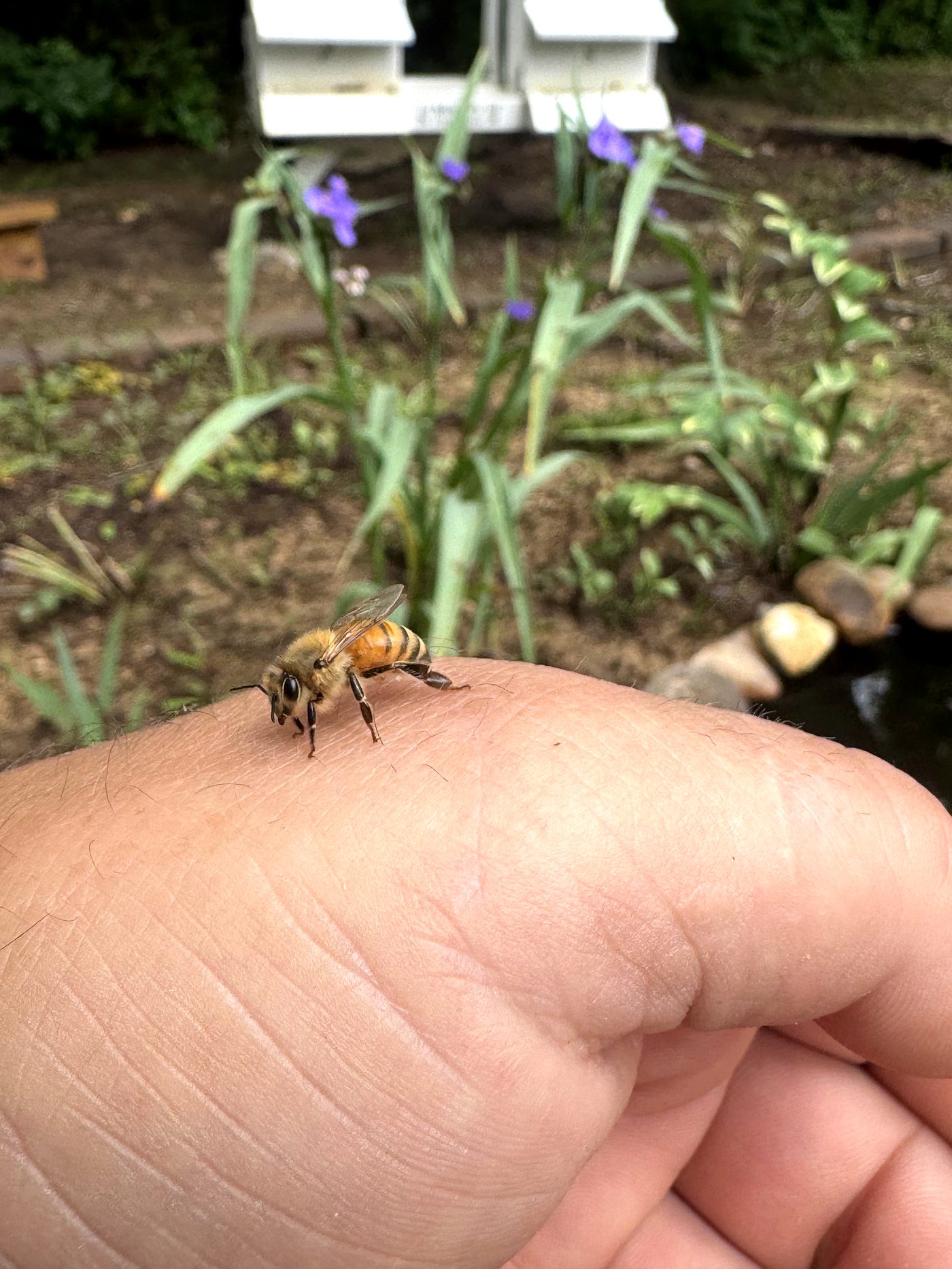
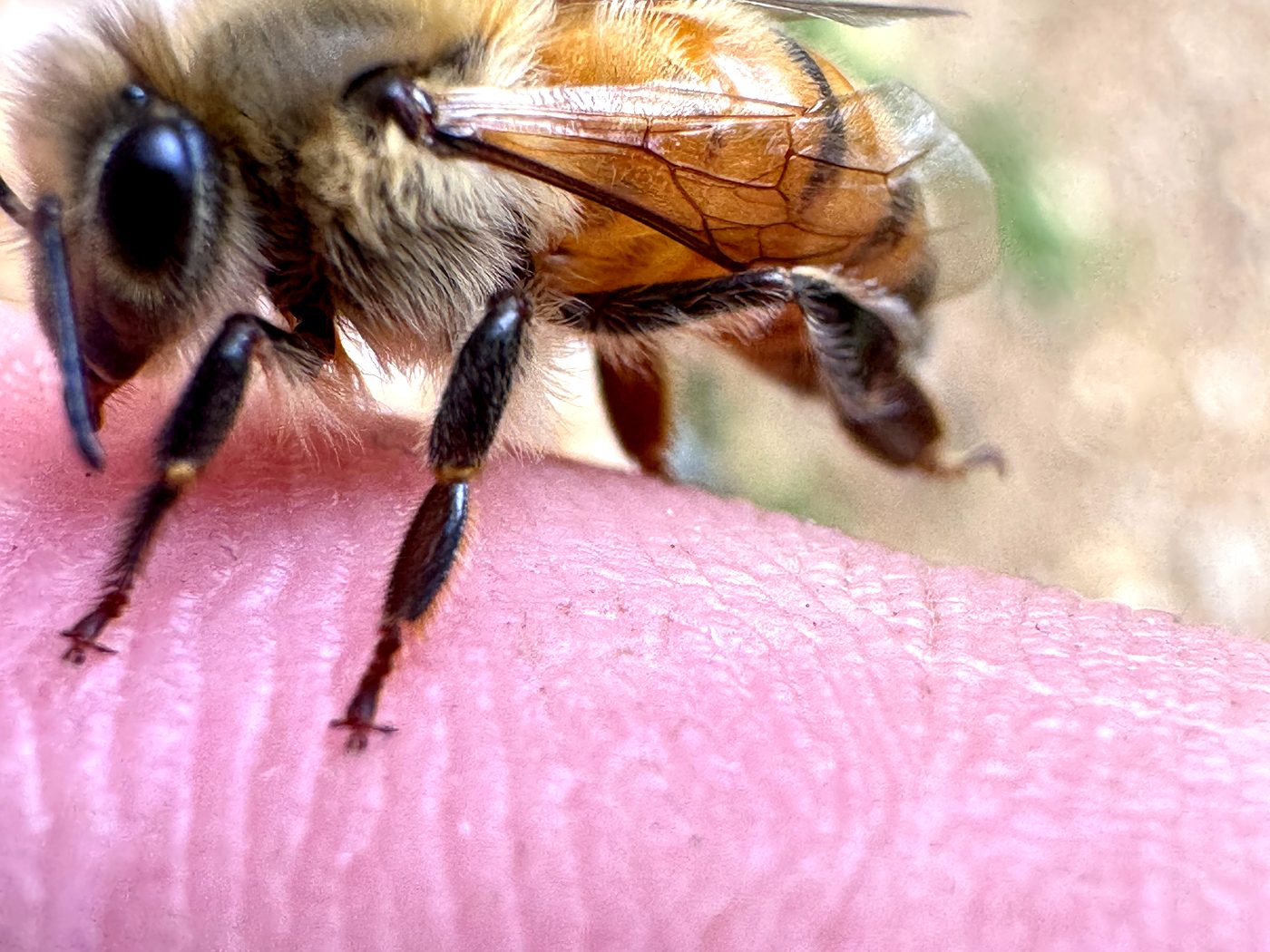
I was doing routine maintenance on our pool this morning when I spotted her — one of our girls floating near the edge, waterlogged and barely moving. I scooped her out, set her on my hand, and spent the next twenty minutes watching her groom herself dry in the sun before she finally made it back to the hive on her own power.
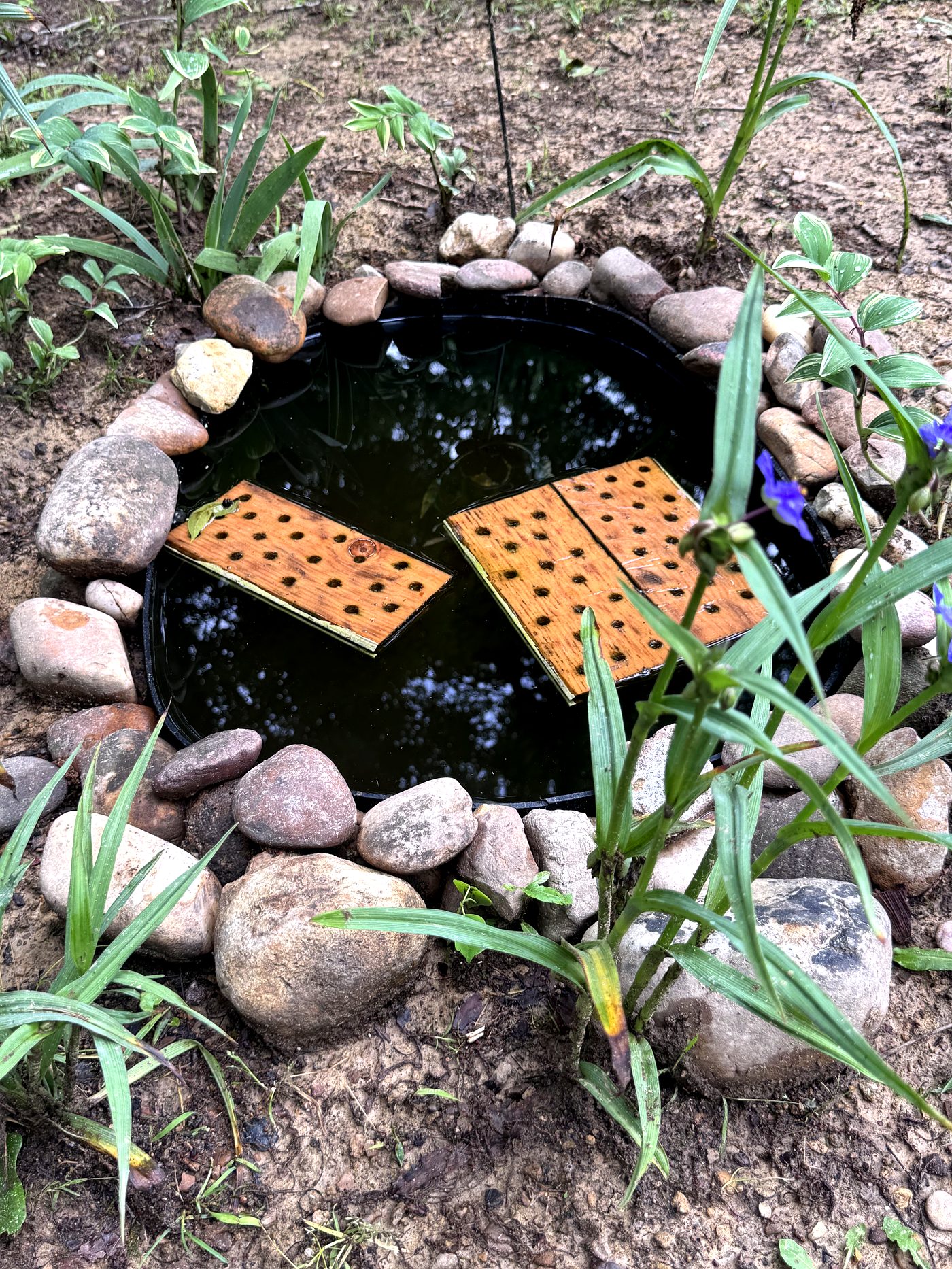
It was a good moment. But it was also a reminder. We have a dedicated water station set up less than thirty feet from the hives — a proper pond with floating landing rafts, river rock surround, and spiderwort blooming all around it. And she still found the pool. That one bee in the pool told me something worth writing about.
Honeybees are not casual water drinkers. A colony in full summer swing can consume several quarts of water per day. They use it to dilute honey for feeding larvae, to cool the hive through evaporation, and to keep the brood nest from overheating in hot weather. On the hottest days, house bees will spread a thin film of water across capped brood cells and fan it with their wings — essentially running the hive like an air conditioner. Without a reliable water source close to home, they will find one. And they will not ask your neighbors first.
This is the single most important piece of advice we can give a new beekeeper about water. Set up your water station at least a week before your packages or nucs arrive. The goal is simple: you want scout bees to find your provided source first, before they ever go looking elsewhere. Once a colony establishes a water foraging route — once they have danced that location back to the hive and recruited other foragers — that source becomes hardwired into the colony's behavior. Changing it later is an uphill battle.
Position your water station within fifteen to thirty feet of the hives if possible. Closer is better. You want the first thing a new scout finds to be the source you chose — not the neighbor's pool, not their dog bowl, not the birdbath three yards over.
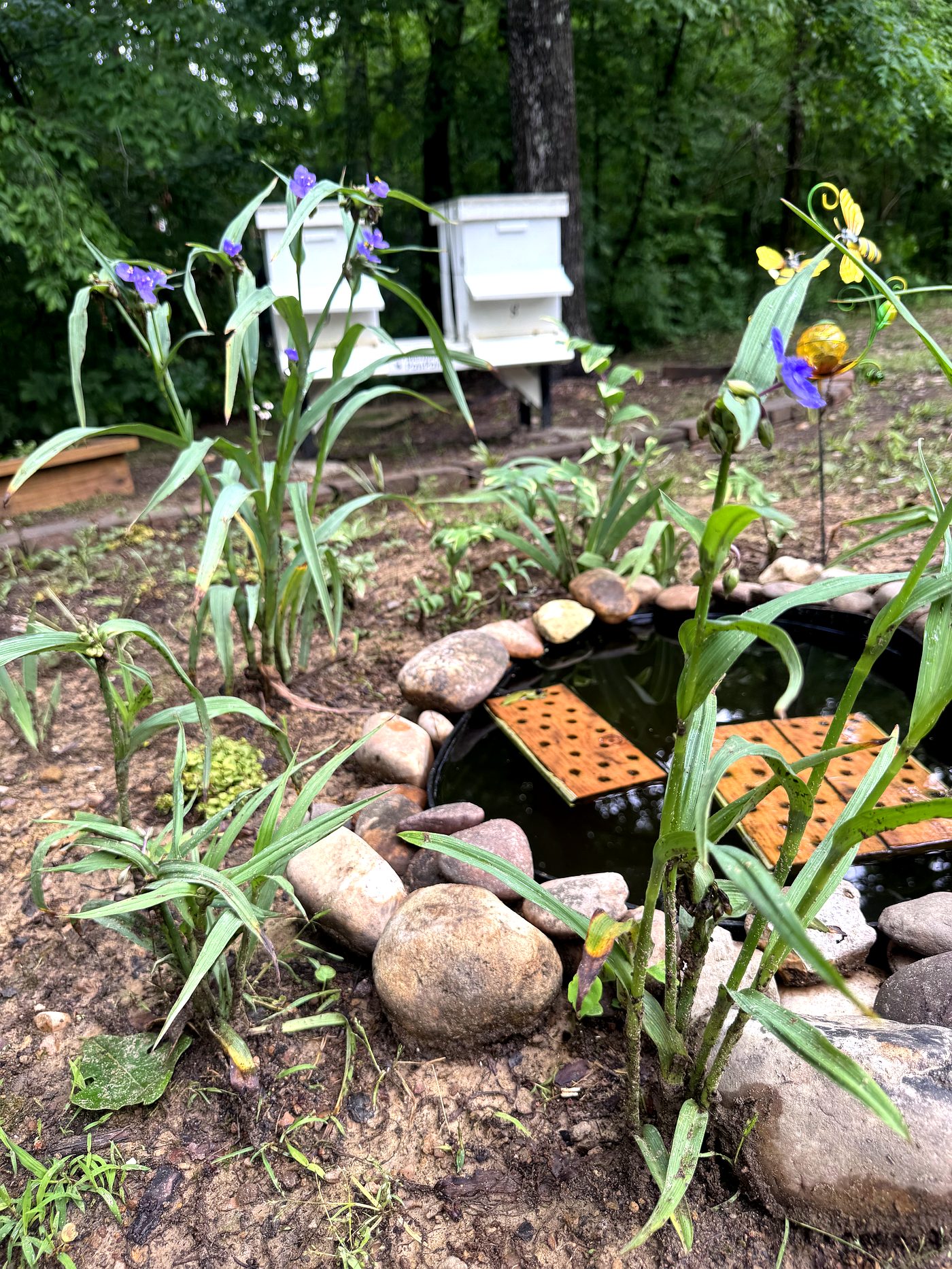
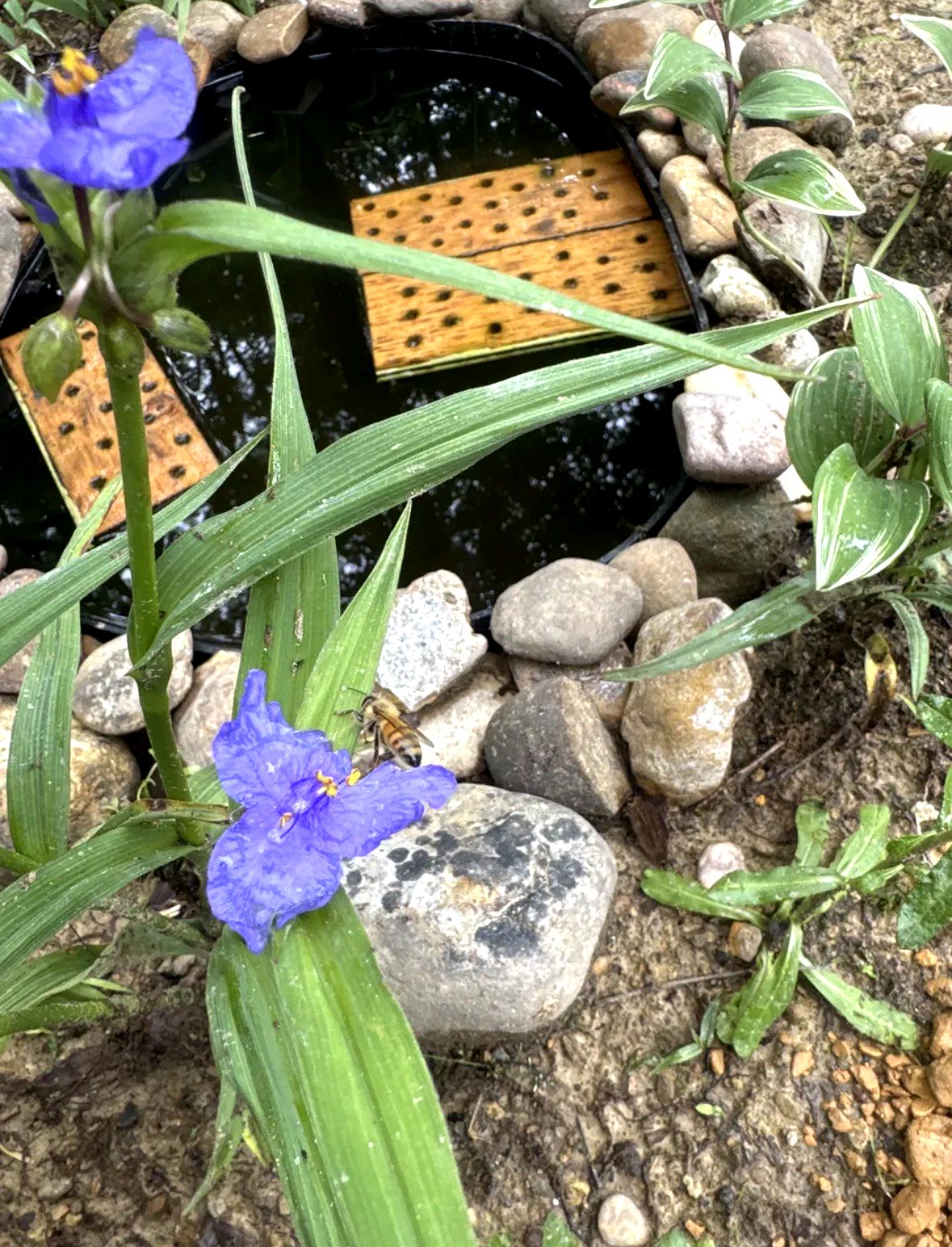
Our water station — a sunk stock tank with river rock surround, floating wood landing rafts with drilled holes, and spiderwort planted around the edge. The hives are visible in the background. This is the setup we had before our packages ever arrived.
Bees prefer water that has some character to it. Clean fresh tap water is actually less attractive to them than water with minerals, a little algae, or organic material. That might sound counterintuitive, but it works in your favor — a slightly funky established pond is more appealing to your bees than a neighbor's pristine chlorinated pool.
The most important feature of any water station is landing surfaces. Bees cannot drink from open water — they need something to stand on at the edge. Our setup uses floating wood boards with drilled holes that sit at water level. River rocks stacked at the rim work just as well. Corks, wine bottle corks, sponges, floating pieces of wood — anything that gives a bee a dry platform at the waterline will work.
If you are reading this after the fact — bees already at the pool, neighbor already knocking on your door — it is harder, but not hopeless. Understand going in that you are fighting colony memory. Those foragers have danced the pool's location back to the hive. You are not just changing one bee's habit, you are trying to override a shared behavior.
Some beekeepers have success with the gradual move method — starting the new source right at the pool edge and moving it a few feet closer to the hives each day until the bees follow it home. It takes patience, usually two to four weeks minimum, and it does not always work completely. A realistic success rate for full redirection is around seventy percent. The remaining thirty percent of cases may require temporarily moving the hives themselves to break the established foraging pattern.
If you have a neighbor dealing with your bees at their pool, the best thing you can do alongside the redirect effort is communicate early, take responsibility, and bring them a jar of honey. Most neighbor conflicts around bees are completely avoidable with prevention — and most that do happen are manageable with an honest conversation and visible effort to fix the problem.
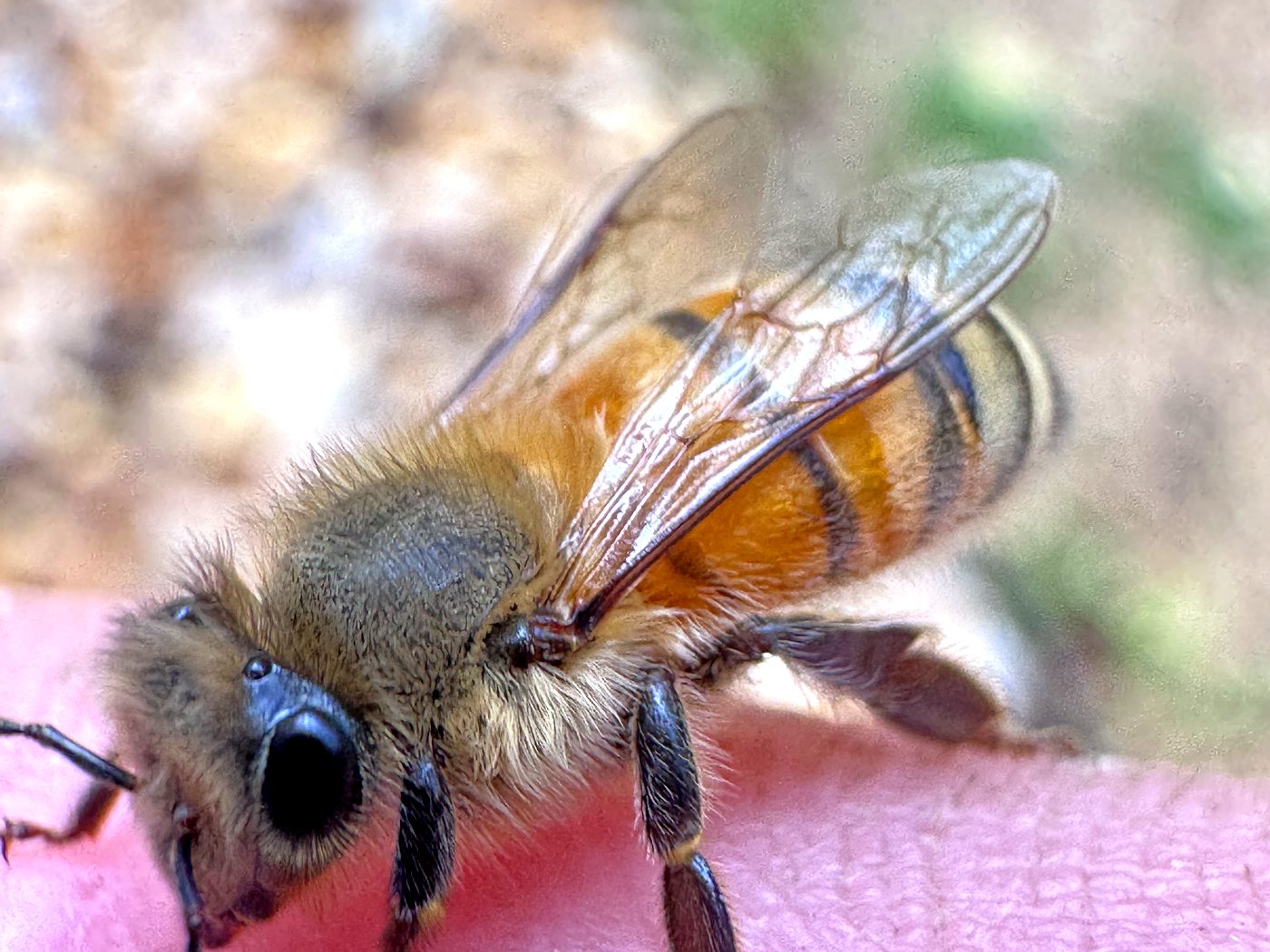
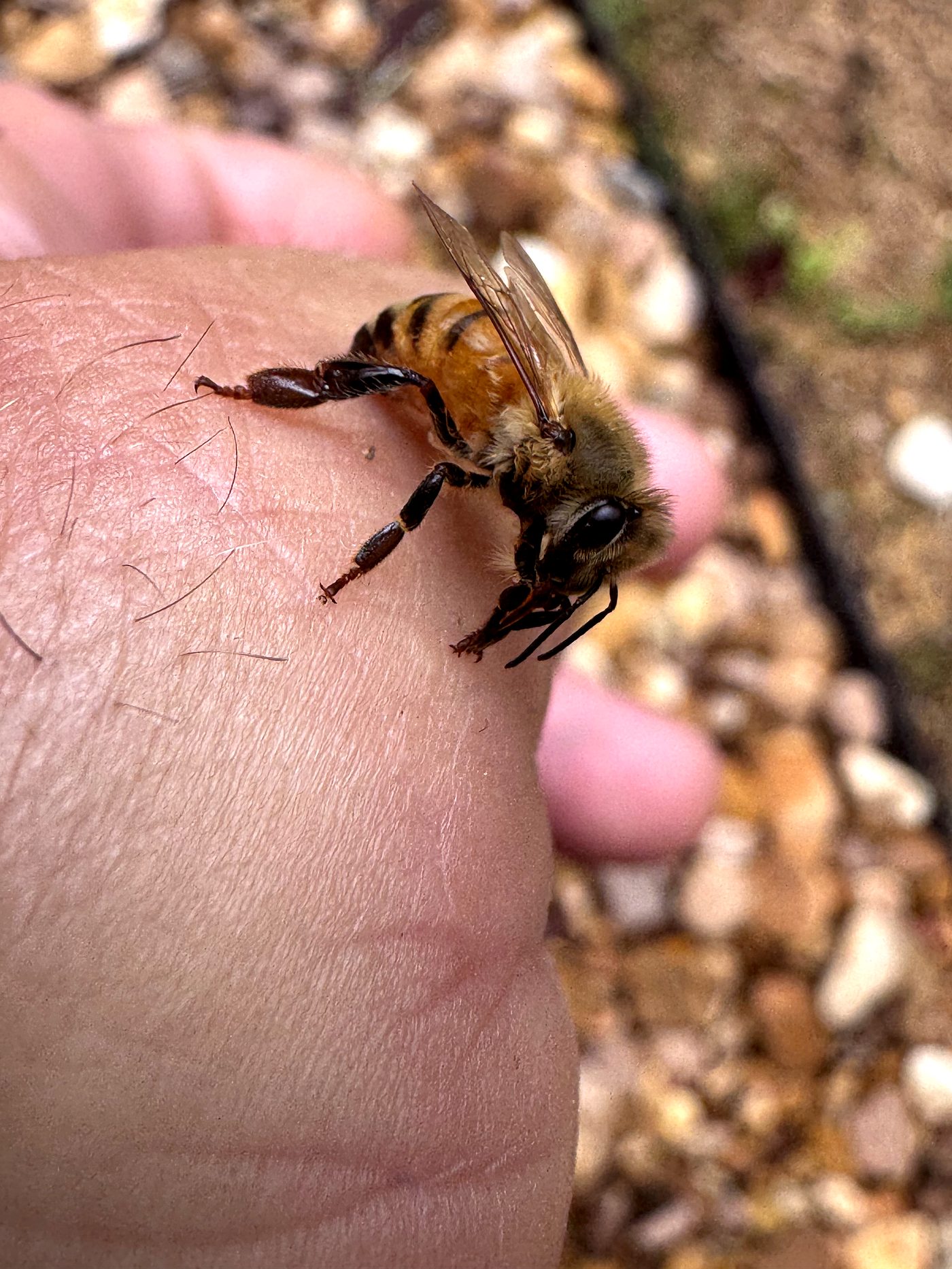
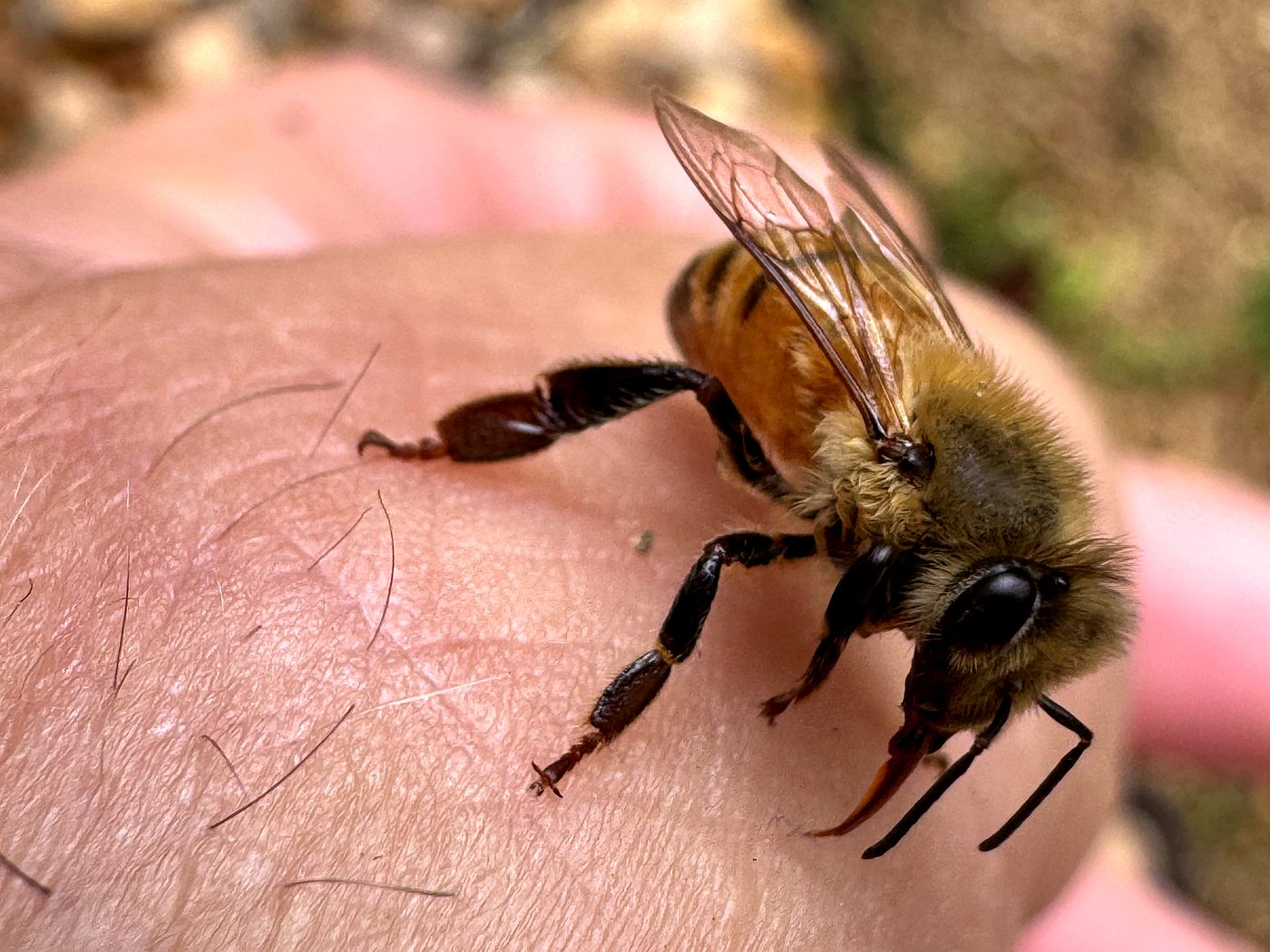
Fully recovered and alert — antennae up, wings dry, ready to go. She sat on my hand for the better part of twenty minutes before deciding she was ready to fly. She eventually made her way to the spiderwort beside the water station and fueled up before heading home.
We built our water station before our packages arrived in late March — a sunk stock tank with river rock surround, floating wood landing boards with drilled holes, and water-loving plants around the edges including spiderwort, which has been blooming since mid-spring. The water sits still, it gets some algae going naturally, and the bees have been using it consistently since week one.
We have a pool about fifty yards from the apiary. In six weeks of keeping bees this season, the girl I pulled out this morning is the first one we have found in it. One bee. That is not a water problem — that is just an adventurous forager having a rough morning. The water station is doing its job.
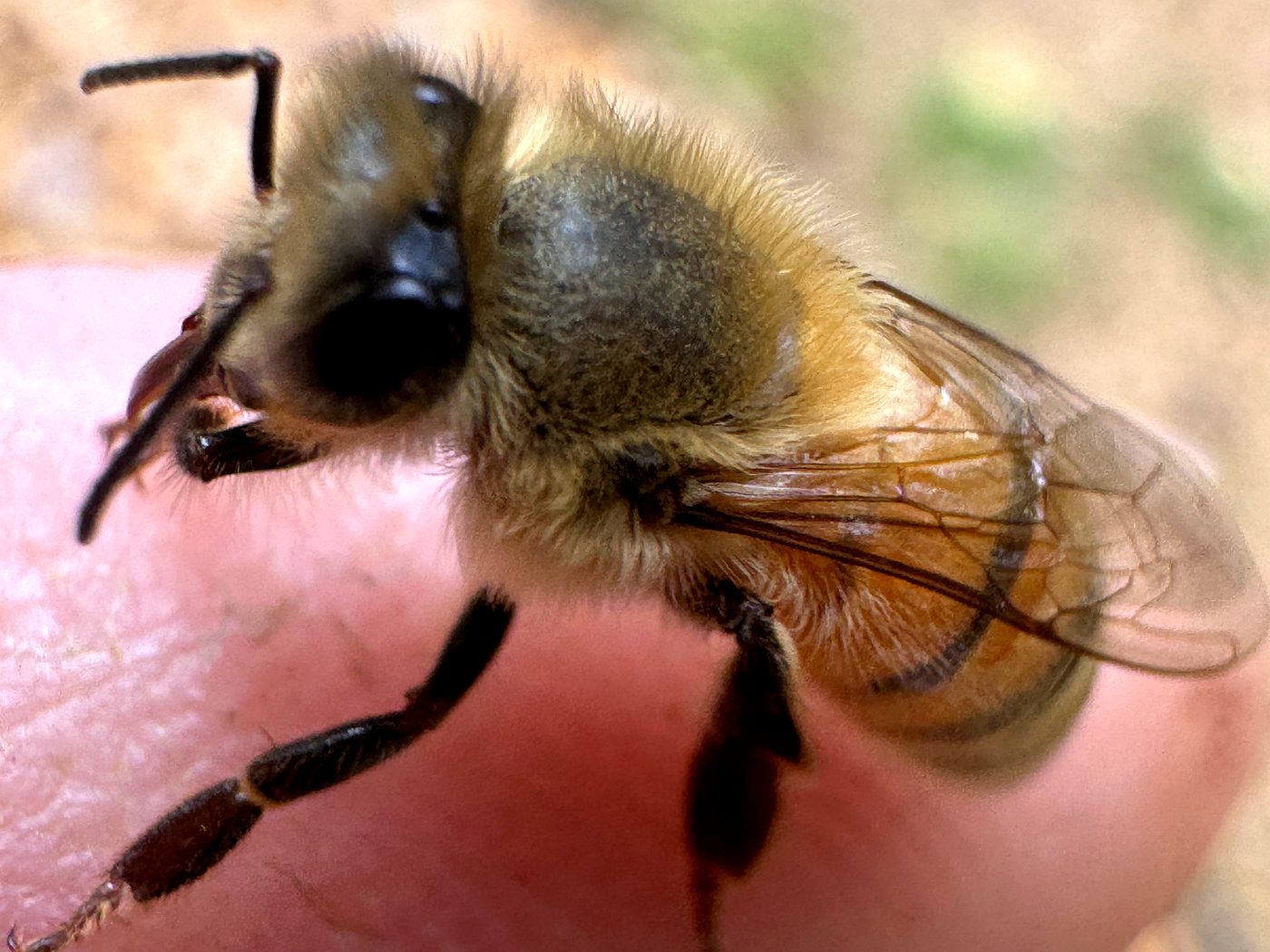
One bee in the pool after six weeks is a good number. The water station earned it. Set yours up before your bees arrive — before the scouts go looking — and you will almost certainly never have to fish one out of a neighbor's pool at all.