 Bootstrap Beekeeping
Bootstrap Beekeeping
Bootstrap Beekeeping
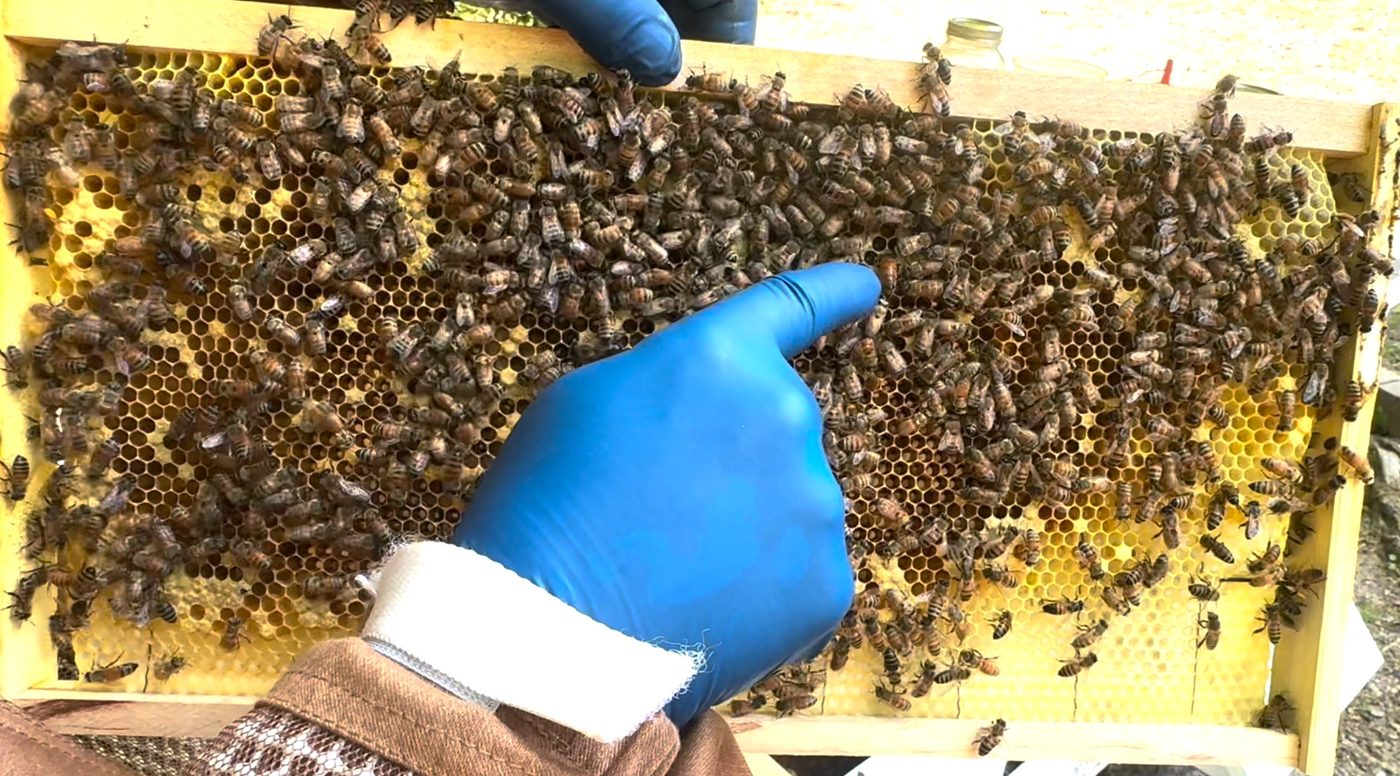
Every new beekeeper hears the same advice: don't panic if you don't spot the queen right away. She can be hard to find, especially in a young colony that hasn't hit its stride yet. What nobody tells you is what it feels like the first time you actually find her — that quiet, almost disbelieving moment when your brain registers that the slightly larger bee moving deliberately through the cluster is exactly who you were looking for.
We found her in J hive during our latest inspection. She was right there on the brood frame, moving with that unhurried purpose that sets a laying queen apart from the workers around her. The colony has changed a lot in the past few weeks, and seeing her confirmed what the frames were already telling us.
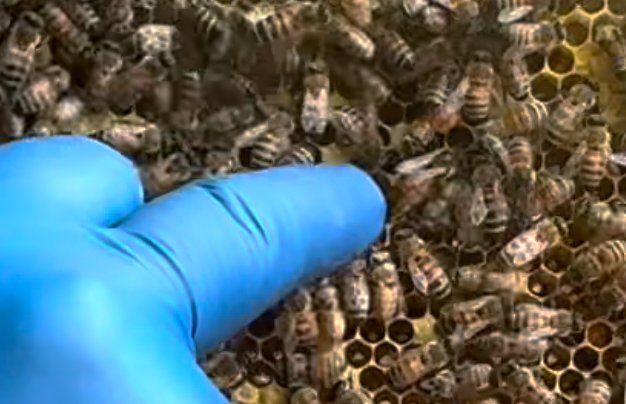
The queen herself — larger abdomen, calmer movement, bees orienting around her. It takes a few inspections before your eye locks onto her quickly, but once it does, it clicks.
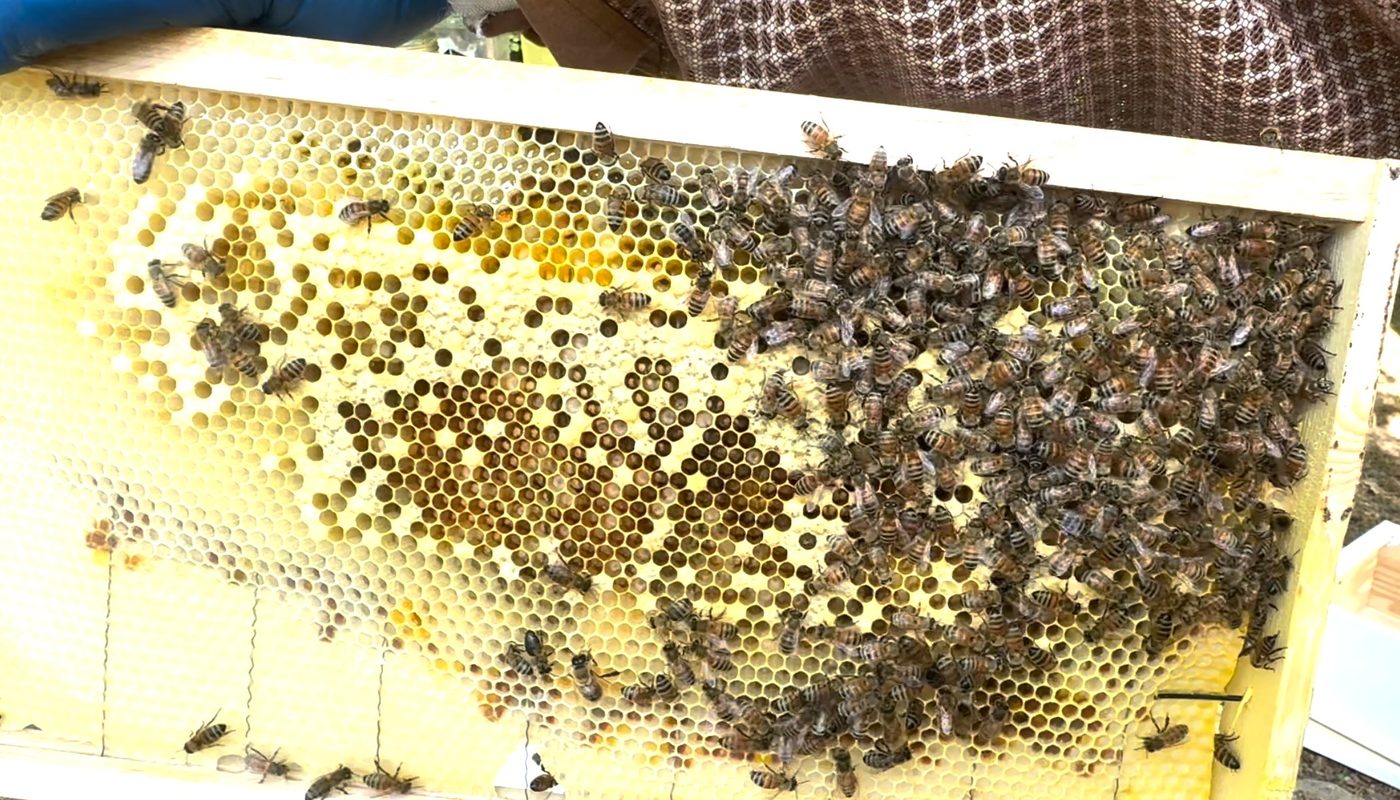
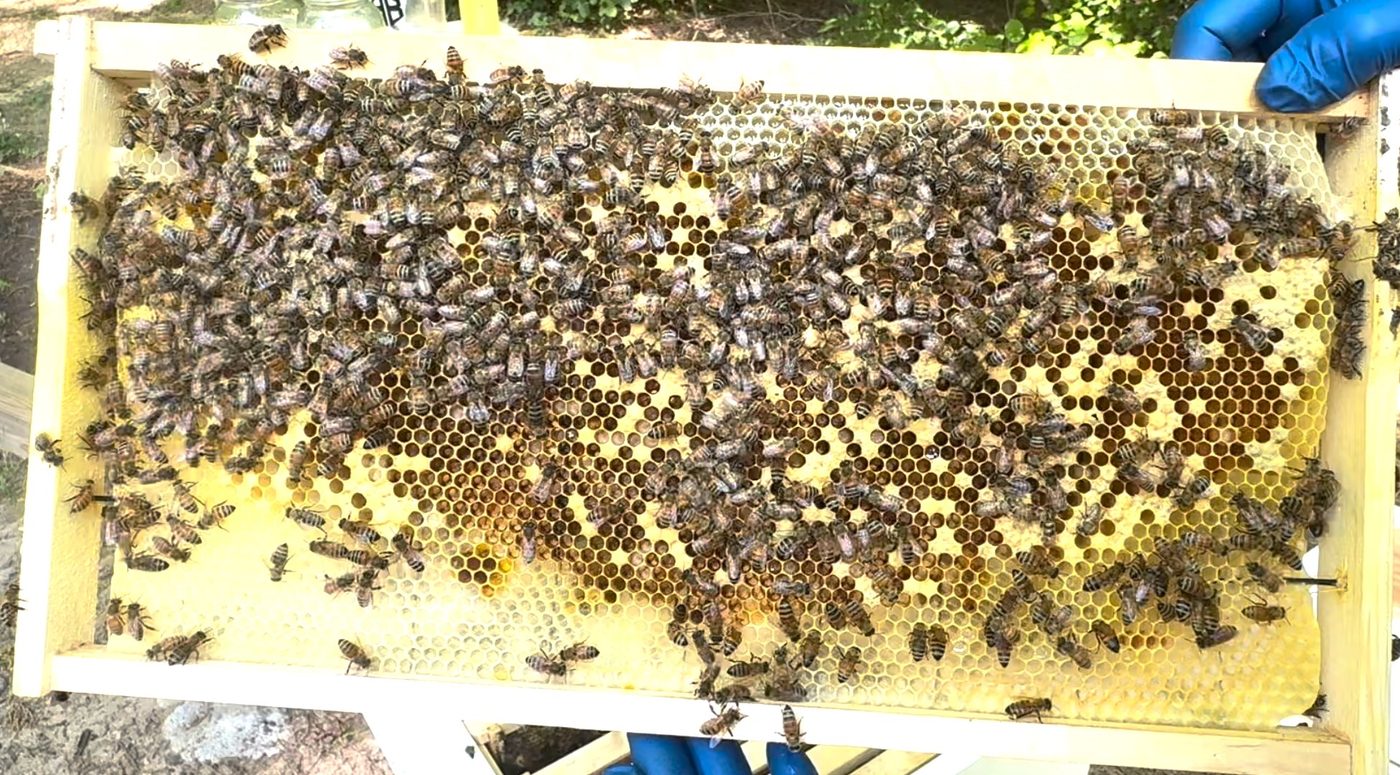
The frames are busy and a little chaotic-looking right now, and that is completely normal. A lot of what you are seeing when a new colony is ramping up is the aftermath of a big hatch — cells that were capped brood last week are now empty and waiting to be cleaned and refilled. The queen has already started back laying, so those cells will be capped again soon. If you are a new beekeeper looking at your own frames and wondering why there are so many empty cells, that is likely your answer: the colony just graduated a generation.
While we were in the hives we also checked our small hive beetle situation. SHB are a fact of life for beekeepers in the southeast, and this time of year they push hard. We run a two-layer defense: a half-sheet of Swiffer dry cloth laid furry-side-up across the top bars, and a reusable oil trap on the bottom board. The beetles get tangled in the Swiffer fibers and drown in the oil trap. Neither one eliminates the problem on its own, but together they take consistent pressure off the bees.
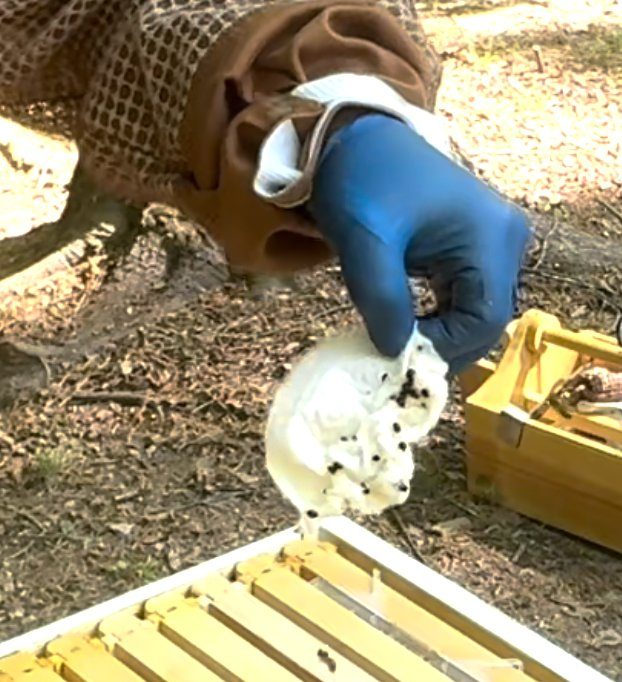
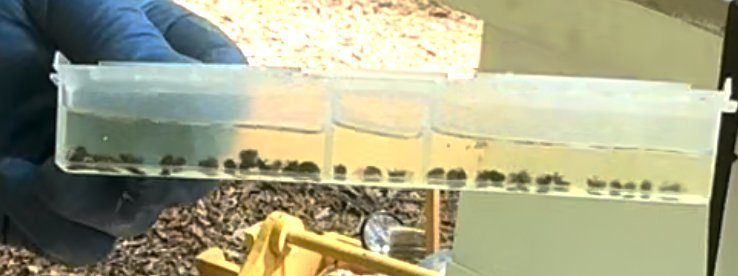
We also have another mite wash coming up. You might be wondering why we would run a second wash so soon after the clean baseline we got three weeks ago. The reason is population. When a big hatch happens, the ratio of bees to mites in the hive shifts — and as the colony adds more capped brood, mites have more places to reproduce. Running a follow-up wash after a population surge gives you a truer picture of where things stand. It is not that we expect a problem. It is that we would rather know for certain than assume everything is still fine.
A lot of first-year beekeeping is learning to read what the hive is actually telling you rather than what you feared or hoped it was saying. Finding the queen, understanding why the frames look the way they do, staying on top of pests without overreacting — it all comes together one inspection at a time. We will have the mite wash results and the SHB update in the next post.