 Bootstrap Beekeeping
Bootstrap Beekeeping
Bootstrap Beekeeping
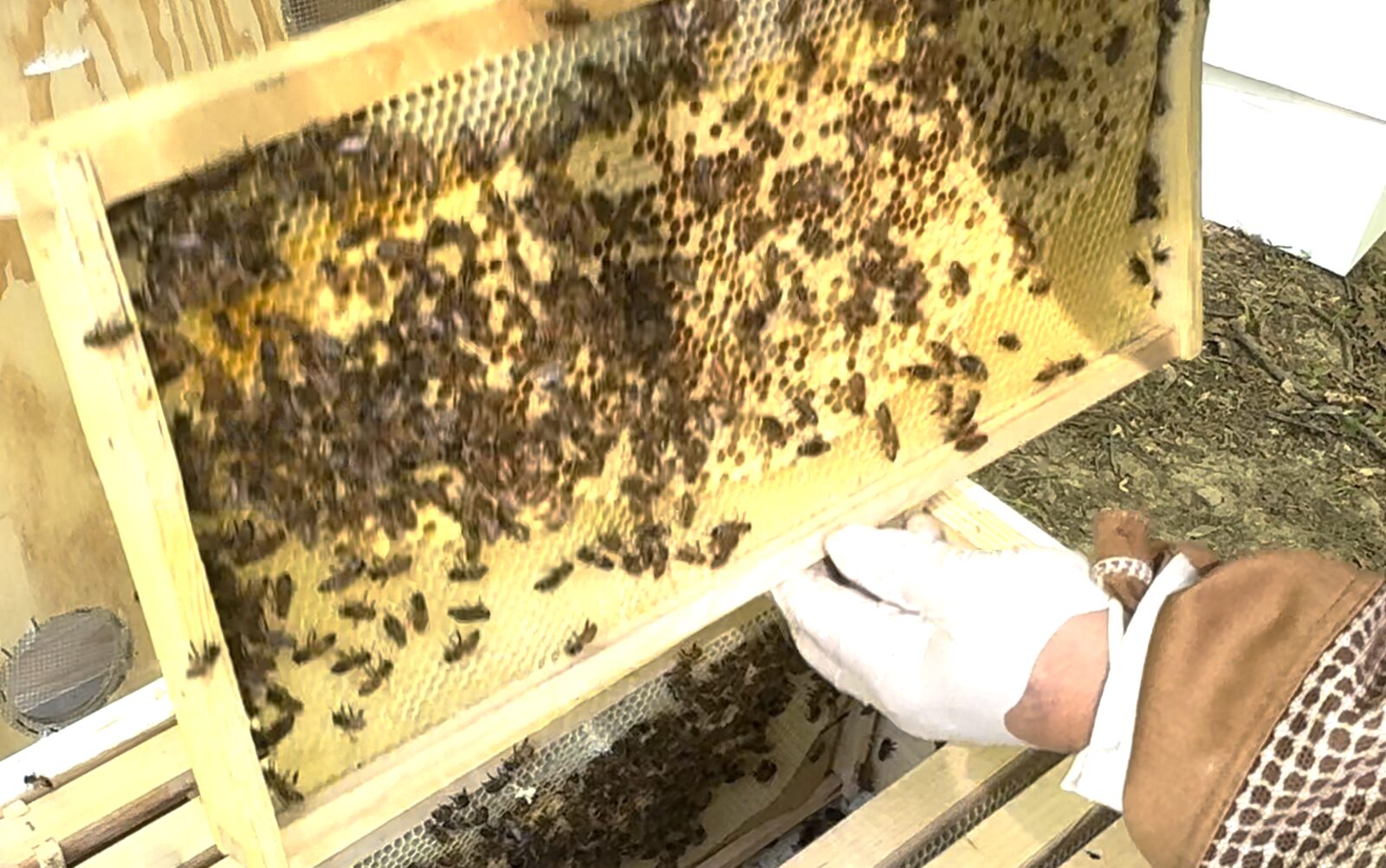
Three weeks after install is when a new package colony crosses a line. The queen has been laying long enough that you have real capped brood — which means mites have places to hide and reproduce. It is the first moment when a mite count actually tells you something useful.
We ran an alcohol wash on both hives today. Half a cup of bees, a jar of isopropyl, sixty seconds of agitation, and you pour the wash through a mesh lid to count what falls out. It is not complicated, but it matters — this number is your baseline, the thing everything else gets measured against.
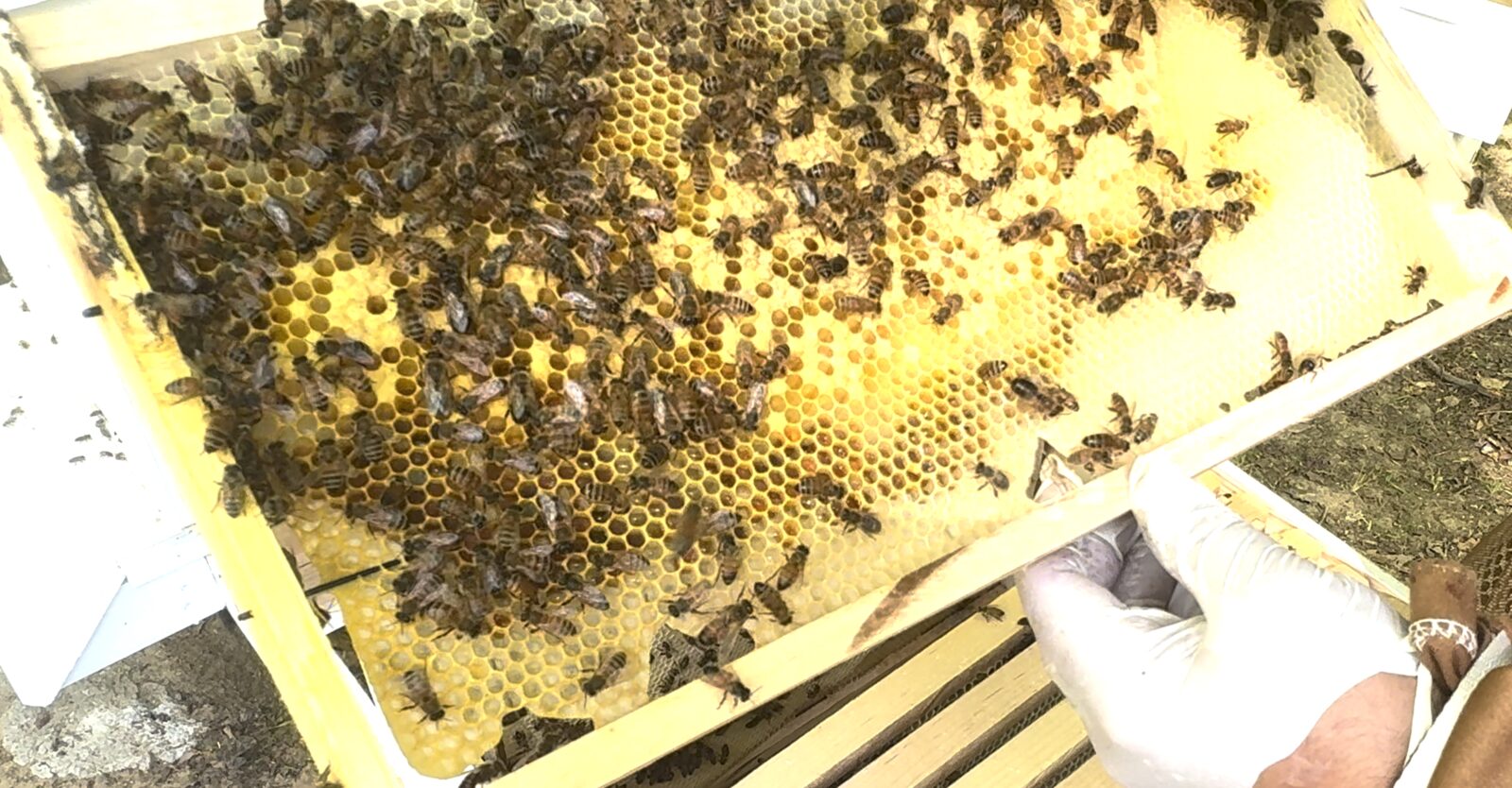
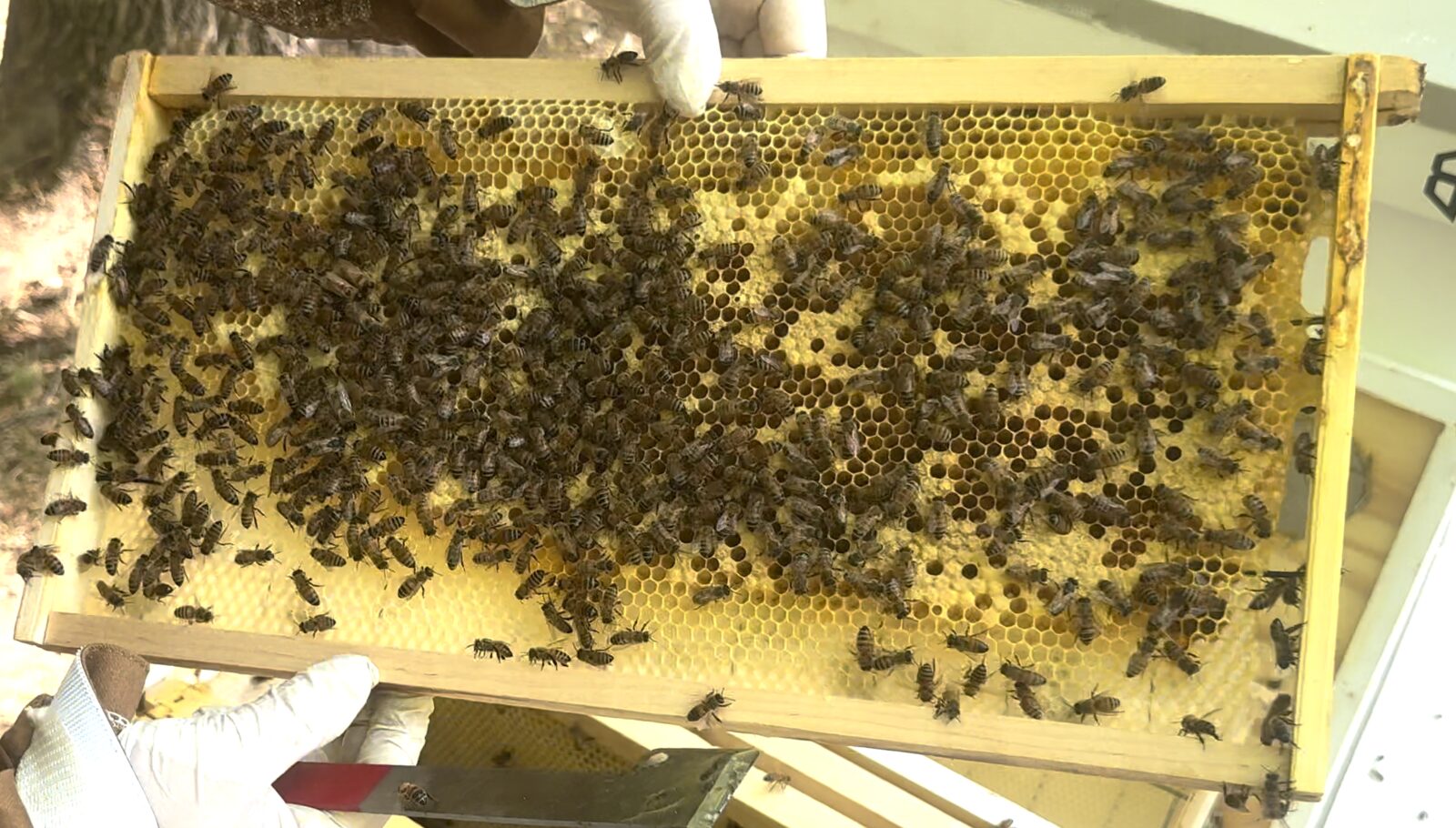
The two hives are running different speeds. Josh's colony has more bees, more capped brood, and is drawing comb faster than Sawyer's at the same point. That is not unusual — two queens from the same supplier can still lay at different rates, and a ten-day difference in tempo is nothing to worry about this early. What matters is that both colonies are healthy, both queens are productive, and both mite counts came back clean.
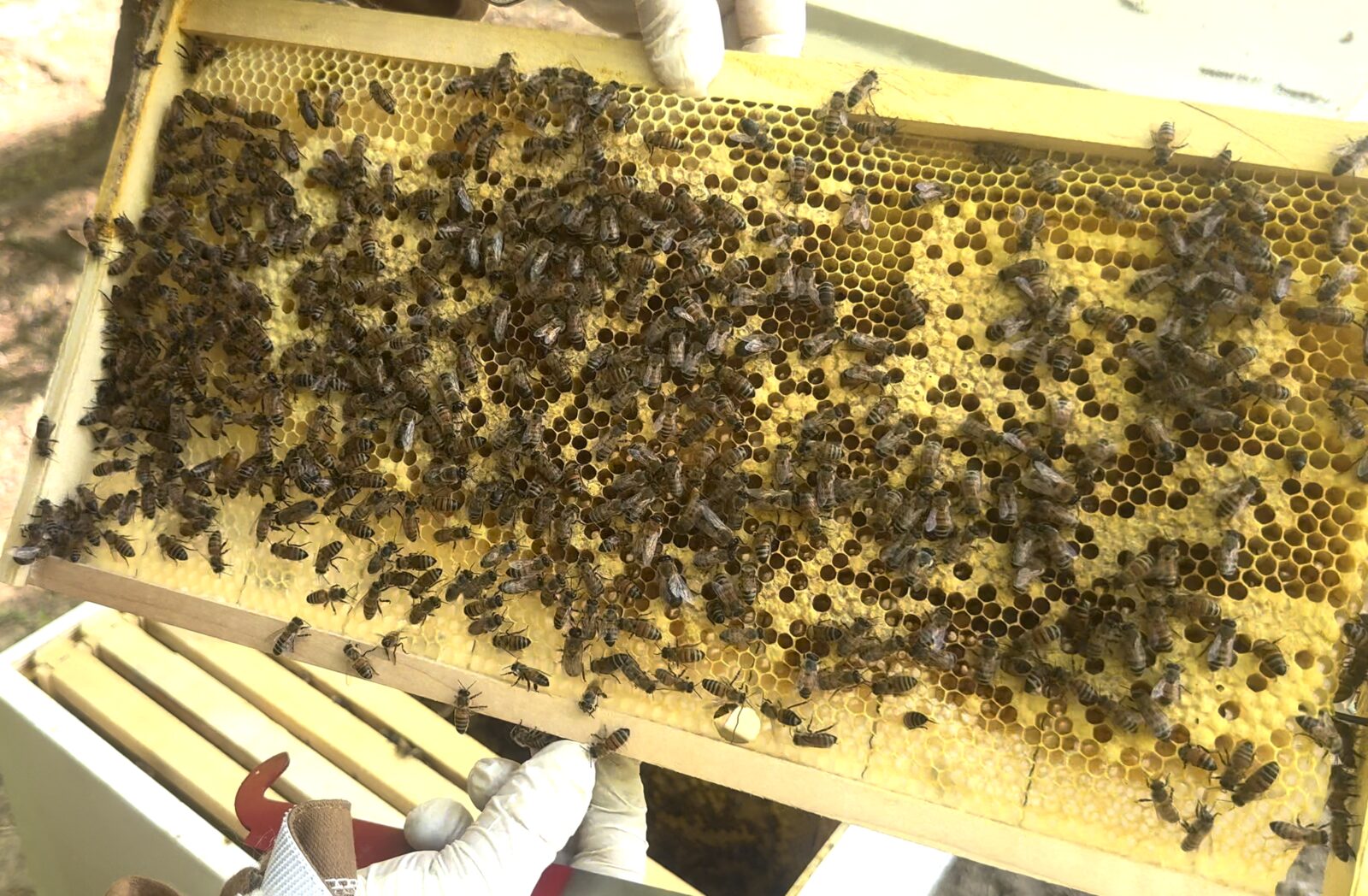
Josh's hive brood frame — capped cells in a solid crescent, open cells staged and ready. That queen is not wasting space.
We have got Apivar strips on hand if the late-May count crosses the line. For now, both hives stay on the same schedule — keep feeding until they do not need it, watch for the point where each colony is covering seven or eight frames, and add a second box before they run out of room. With tulip poplar coming in the next few weeks, that decision may come sooner than expected for at least one of them.
The mite wash is one of those things that sounds tedious until the first time you do it and realize you just got a real answer about something that could have quietly gone wrong without it. Two hives, two clean counts. We will take it.
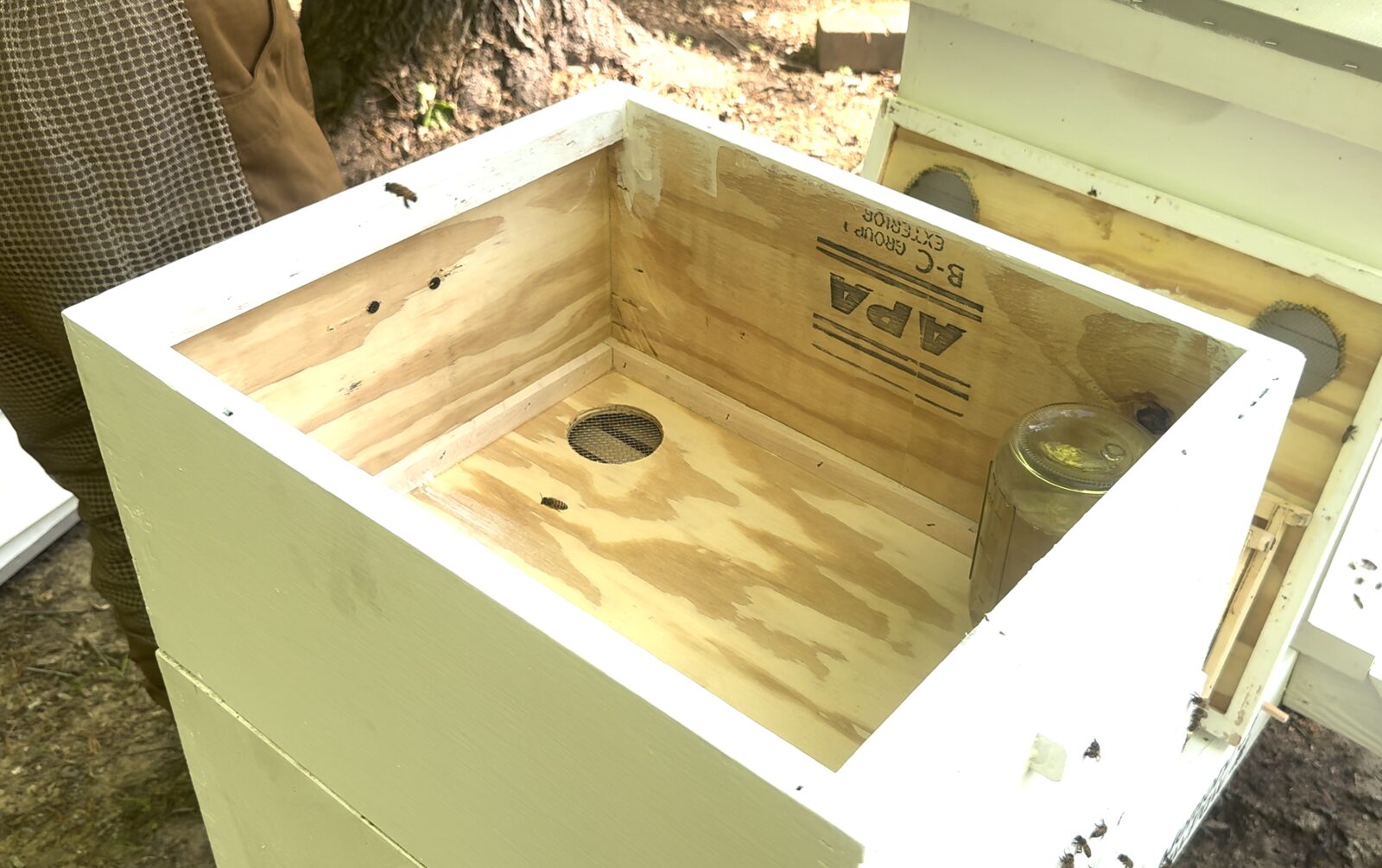
The new custom top feeder box — screened floor hole, jar access, deep box enclosure. A clean step up from the quart jar inner cover.